

Can Hot Weather Cause My Car Battery to Fail?
How Does Hot Weather Affect a Car Battery?
Hot weather can weaken a car battery, even if the problem does not become obvious until colder weather arrives. Here in Omaha and Council Bluffs, we experience both sides of the temperature swing: summer heat and extreme winter cold. Even as August winds down, late-summer heat can continue taking a toll on your battery before winter puts that weakness to the test.
“People often notice battery problems in the cold because starting the vehicle puts more stress on a weak battery. But summer heat can cause much of the damage that leads to that failure.”
— Zach Haver, Owner, Mad Hatter Auto Repair
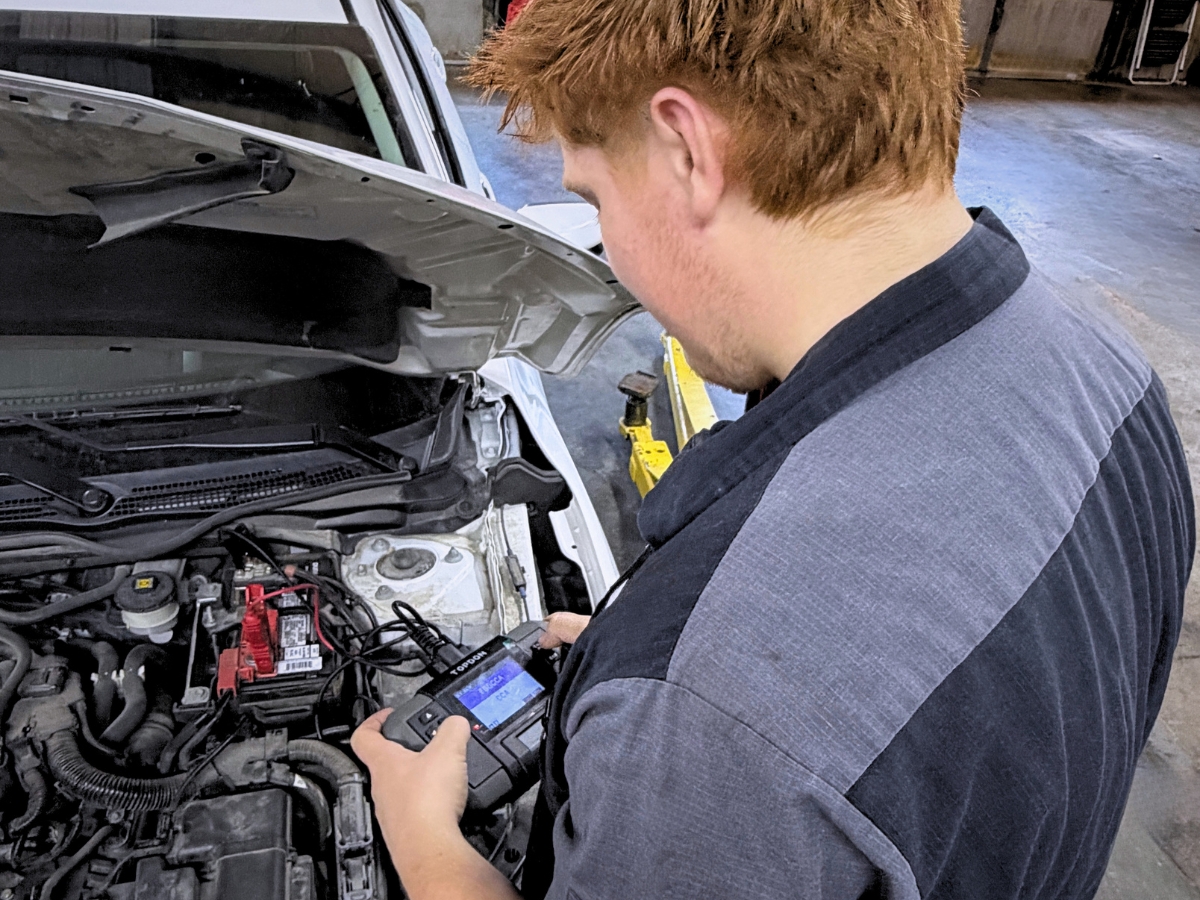
That’s one reason we include a battery test in every complimentary Digital Vehicle Inspection at both Mad Hatter locations.
How Does Summer Heat Lead to Battery Problems in Winter?
Heat speeds up the chemical activity inside a car battery. While those reactions help the battery produce power, high temperatures also speed up corrosion and internal wear. Temperatures under the hood can become much hotter than the air outside, gradually reducing the battery’s ability to hold a charge and provide the power needed to start your vehicle.
Your battery may continue working throughout the summer, even as it becomes weaker. When temperatures drop, the battery has less available starting power and the engine may require more power to start. That first cold morning may get all the blame, but the battery could have been losing strength for months.
What Are the Signs of a Weak Car Battery?
A weak battery doesn’t always give you much warning before it fails. One of the most common signs is that the engine cranks more slowly than usual. Other starting or electrical concerns that deserve attention include:
- Needing more than one attempt to start the vehicle
- Headlights or interior lights dimming or flickering
- Power windows, locks, or other electrical accessories working slowly or inconsistently
- The battery or charging-system warning light coming on
How Do We Know if the Battery Is Actually the Problem?
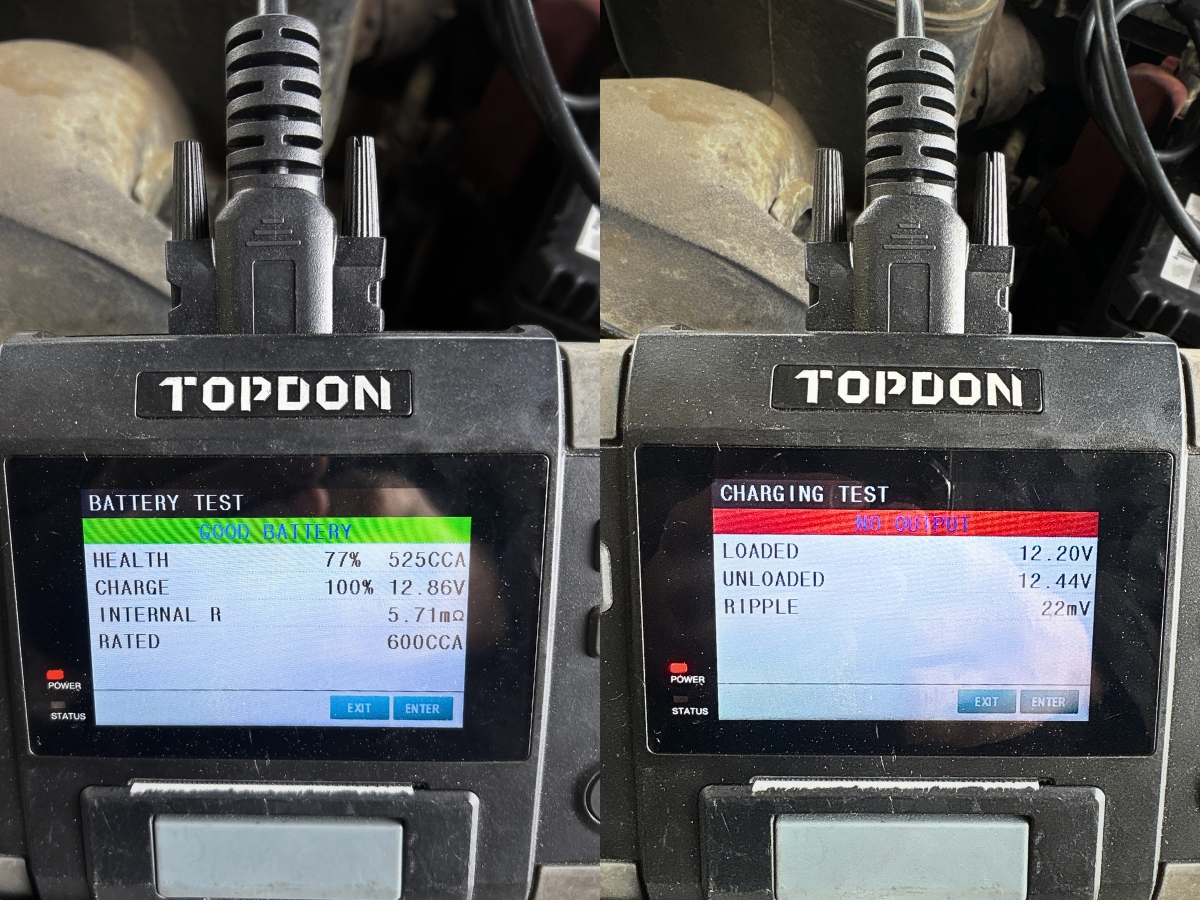
These warning signs do not automatically mean that the battery needs to be replaced. For example, if the battery or charging-system warning light stays on while you’re driving, it may mean the battery is not being charged properly. The problem could involve the battery itself, the alternator, wiring, or another part of the charging system, so the light alone cannot tell us which repair is needed.
It's also helpful to know that heat isn’t the only factor that can affect battery performance. How often the vehicle is driven, vibration, loose connections, corrosion around the battery terminals, and charging-system problems can all play a role.
If you tell us your vehicle has been hard to start, the battery test is our first step—not our final assumption. If the results or your symptoms point to another problem, we’ll explain why additional testing is needed before moving forward.
With your approval, additional diagnostic testing may include evaluating the starter, alternator, wiring, or other parts of the starting and charging system. This helps us identify the actual cause instead of replacing a battery based on symptoms alone.
How Does Mad Hatter Use Battery Testing During Your DVI?
A battery test shows us how the battery is performing at the time of the test. It can help us identify signs of weakness, but it cannot predict the exact day the battery will fail.
At Mad Hatter Auto Repair, we include a battery test with every complimentary Digital Vehicle Inspection (DVI), regardless of the vehicle’s age or the reason for the visit. Your DVI includes photos, technician notes, and measurements that help you understand your vehicle’s current condition.
We review the battery-test results along with the battery’s age, physical condition, and any symptoms you’ve noticed. We don’t recommend replacing a battery based on age alone. If it tests well, we’ll tell you. If the results show weakness, we’ll explain what we found and why replacement may be recommended.
We keep the battery-test results with your vehicle’s service history. If you return with a starting or electrical concern, we can compare the current results with earlier visits instead of looking at a single test in isolation.
How Can Battery Testing Help Before Winter?
Having your battery tested before winter arrives can help identify a weakness in your battery before our extremely cold winter temperatures expose it. That may give you time to address the weakening battery before you’re left with a vehicle that won’t start on a cold winter morning.
Your next oil change, maintenance service, or repair appointment is an opportunity for us to check your battery’s condition. If you’ve already noticed slow cranking, dimming lights, or another starting or electrical concern, let your advisor know. That way we can include that information when we review the results of your battery test.
Schedule Your Visit
Not sure whether your battery is causing a starting or electrical problem? That’s what testing is for. If your vehicle is due for service or has started cranking more slowly, our Omaha and Council Bluffs teams can test the battery and explain what the results mean.
☎️ Omaha: (402) 330-2286
☎️ Council Bluffs: (712) 322-7500
Want to Learn More?
If you’d like to keep learning about your vehicle’s battery and how we inspect vehicles, these related articles may help: