What’s Causing My Car to Overheat?

When Your Car Keeps Overheating
As the summer weather heats up, your cooling system has to work even harder to keep your engine running at the right temperature. If something isn’t working right, your car may begin to overheat. Let’s take a look at some common warning signs and causes of a car overheating. Spotting these things early can help you avoid more expensive repairs down the road.
We asked Mad Hatter Auto Repair owner, Zach Haver, about some of the most common causes of overheating. Here's what he had to say:
“An overheating engine is one of those problems that usually gives you warning signs before it becomes serious. If your temperature gauge is climbing or you notice coolant leaks, don't wait. Catching cooling system problems early can save you from much larger repairs later.”
— Zach Haver, Owner, Mad Hatter Auto Repair
Don't Ignore Warning Signs
It’s important to get an overheating problem checked as soon as possible. Continuing to drive while your vehicle is overheating can lead to serious engine damage. Severe overheating can damage engine components, including cylinder heads and head gaskets. Repairs like these can quickly become much more expensive.
Here are some warning signs you can watch out for:
- Your car’s temperature gauge running hotter than normal
- Steam coming from under the hood
- Warning lights on the dashboard
- A burning smell from the engine area
Low Coolant Levels
One thing that can cause your car to overheat is having low coolant. Coolant helps move heat away from your engine and keeps the car’s temperatures under control.
Over time, coolant levels can become low due to leaks, worn hoses, failing components, or cooling system issues. When there isn’t enough coolant, it can be hard for your engine to stay cool, even in normal driving.
Water Pump Problems
Your water pump helps move coolant throughout the engine and cooling system. If the pump begins to fail, coolant may not circulate properly, causing temperatures to rise. When that happens, your engine can have trouble staying cool and may begin to overheat.
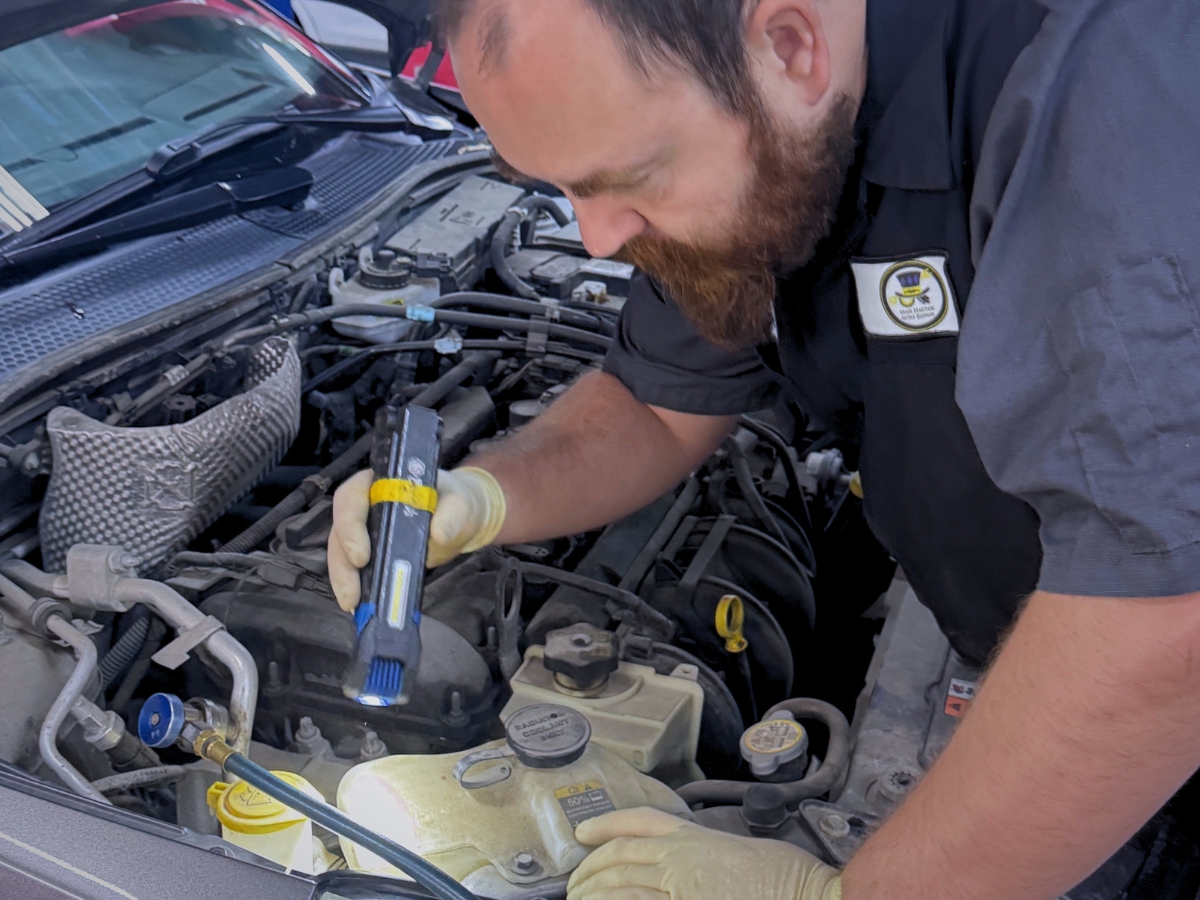
Radiator Issues
Just like coolant, your radiator plays an important role in keeping your engine cool. It helps release heat from the coolant before it circulates back through the engine.
It’s hard for the radiator to do its job when it becomes clogged, damaged, or develops a leak. As the weather gets warmer, these issues can make it harder for your engine to stay cool. You may also notice a problem when you’re driving in stop-and-go traffic.
A Faulty Thermostat
The thermostat controls the flow of coolant through your engine. When it’s working properly, it opens and closes when needed to help regulate temperature. However, if the thermostat gets stuck closed, coolant may not be able to circulate the way it should. This can quickly cause your engine to overheat.
Cooling Fan Issues
Your cooling fan helps pull air through the radiator, especially when your vehicle is sitting still or moving slowly. If the fan stops working, you may notice overheating problems. While you’re driving at higher speeds, you may not notice any issues. But once you’re driving in traffic, sitting at stoplights, or idling, it may begin overheating.
Stay Ahead of Cooling System Problems
One of the best ways to avoid serious damage is to catch small problems before they become bigger ones. Regular vehicle inspections can help identify issues with coolant levels, hoses, radiators, fans, and other cooling system components before your vehicle breaks down.
If you've noticed signs that your vehicle may be overheating, our team is happy to help diagnose the problem. We will recommend the right repairs and plan of action for your vehicle.
To schedule an appointment in Omaha, call (402) 330-2286, and in Council Bluffs call (712) 322-7500. You can also schedule an appointment online using our Scheduling Tool.